
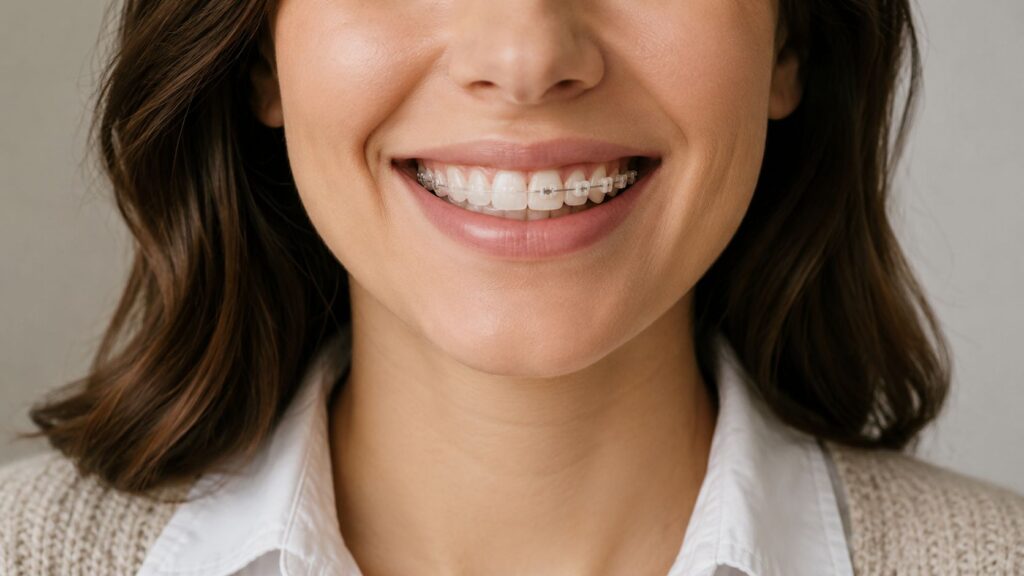
A Scottsdale professional steps into bright office lighting, smiles for a photo, and notices the one tooth that has shifted since braces years ago. Another adult looks in the mirror before a dinner event and sees crowding that never felt serious enough to fix, until now. For many adults, the decision to straighten teeth starts exactly there. Not with vanity alone, but with timing, confidence, and the realization that a healthier bite can also support a better-looking smile.
Adults searching for a dentist near me in Scottsdale, AZ often want more than basic tooth straightening. They may already have crowns, veneers, worn teeth, or a missing tooth that could need a dental implant. They may also be thinking ahead to cosmetic dentistry, teeth whitening, or restorative dentistry and want to make sure every step works together. That's where an integrated plan matters. A smile should be designed as a whole, not treated one isolated procedure at a time.
Considering a Straighter Smile in Scottsdale
A lot of adults in Scottsdale have been thinking about this for years. Some had braces as teenagers and have watched teeth drift back. Some never had treatment at all. Others are preparing for veneers, replacing an old crown, or trying to improve a smile before a major life event.

Adults usually want an option that fits real life. Work meetings, social events, travel, family schedules, and existing dental care all influence the decision. That's why modern adult braces options often start with a discussion about visibility, convenience, and how treatment will affect future cosmetic goals.
A smile plan should fit the whole mouth
Straightening teeth in adulthood isn't only about lining up front teeth. The plan may need to account for fillings, crowns, porcelain veneers, gum health, tooth wear, missing teeth, or jaw tension. Someone searching for a cosmetic dentist near me or a dentist in Scottsdale, AZ may not realize that orthodontic planning often affects restorative dentistry, dental implants, and even long-term maintenance.
In a thorough practice, that bigger picture gets attention early. If a patient may need a crown later, if a veneer edge is fragile, or if a missing tooth changes bite support, those details shape appliance selection and treatment sequencing.
A straighter smile looks better when the bite, restorations, and long-term cosmetic goals are planned together.
Why adults often delay treatment
Adult patients are rarely unsure about whether straighter teeth would help. They're usually unsure about timing, cost, or whether treatment will be worth the effort. Some also worry that braces will look out of place in a professional setting.
Those concerns are reasonable. Modern treatment has made orthodontics more practical for adults, especially with clear aligner systems and less noticeable fixed options. A thoughtful consultation should answer key questions, including how straightening teeth may support later services such as whitening, veneers, implant crowns, cleaning and exams, or restorative updates.
Common Reasons Adults Seek Orthodontic Treatment
A common adult consultation starts this way. Someone is bothered by a lower front tooth that has shifted, but the bigger concern is what that movement means for an older crown, a veneer on a front tooth, or an implant they do not want disturbed. In adults, orthodontic treatment is often prompted by appearance, but the decision usually goes deeper than straightening alone.
Crowding, spacing, and bite changes are the concerns patients notice first. Teeth may overlap and become harder to floss. Small gaps may catch food or make the smile look uneven. A bite that feels off can show up as edge wear, chipping, or soreness when chewing. For patients focused on one bite issue, this guide on how to fix overbite without surgery gives a useful overview of non-surgical treatment concepts.
Adults also seek treatment because their teeth have shifted after braces years ago. Relapse is common in practice, especially when retainers were lost, dental work changed the bite, or natural wear altered how the teeth fit together. What looks like a minor cosmetic change in the mirror can reflect a broader bite issue that needs to be corrected carefully.
That matters even more in adults with existing dentistry.
Teeth with crowns or veneers do not always respond to orthodontic forces the same way natural enamel surfaces do from a treatment-planning standpoint. Implants do not move at all. If one area is being held in place by an implant crown while nearby teeth need to shift, the mechanics and sequence have to be planned around that limitation. The same is true for adults who want whitening, bonding, or veneers after orthodontics. Tooth position affects how conservative and how long-lasting that cosmetic work can be.
This is one reason many adults choose clear aligner treatment for adults when the case is a good fit. Aligners can be a practical option for patients who want a less noticeable appliance and need close coordination with restorative or cosmetic treatment. They are not ideal for every case, but they can work very well when movement goals and dental history are evaluated together.
Orthodontic treatment can also improve daily oral health. Crowded teeth trap plaque more easily. Teeth that meet unevenly can place too much force on select areas, which increases wear and may shorten the lifespan of restorations. In the right patient, straightening is part of protecting the work already in the mouth, not just improving appearance.
For adults, the question is rarely just, "Do I want straighter teeth?" The better question is whether tooth movement now will make the bite healthier, protect existing dental work, and set up future cosmetic treatment correctly.
Comparing Clear Aligners vs Traditional Braces
A common Scottsdale consult starts the same way. An adult patient wants straighter teeth, but the question is not just appearance. They may have a crown on a front tooth, older bonding they do not want disturbed, or plans for whitening or veneers after orthodontic treatment. In that situation, the choice between aligners and braces affects more than comfort or visibility.
A quick side by side view
| Option | Appearance | Typical cost range | Typical treatment time | Key trade-off |
|---|---|---|---|---|
| Clear aligners | Nearly invisible | Varies by case complexity and number of aligners | Often shorter in mild to moderate cases, but depends heavily on wear time | Removable, but only effective with consistent daily wear |
| Traditional braces | More visible | Varies by case complexity and length of treatment | Often preferred for more involved tooth movement and bite correction | Continuous treatment, but less flexibility with eating and cleaning |
| Ceramic braces | Less noticeable than metal | Usually similar to or slightly higher than metal braces | Similar to other fixed-brace cases | Better appearance than metal, with brackets that can be more delicate |
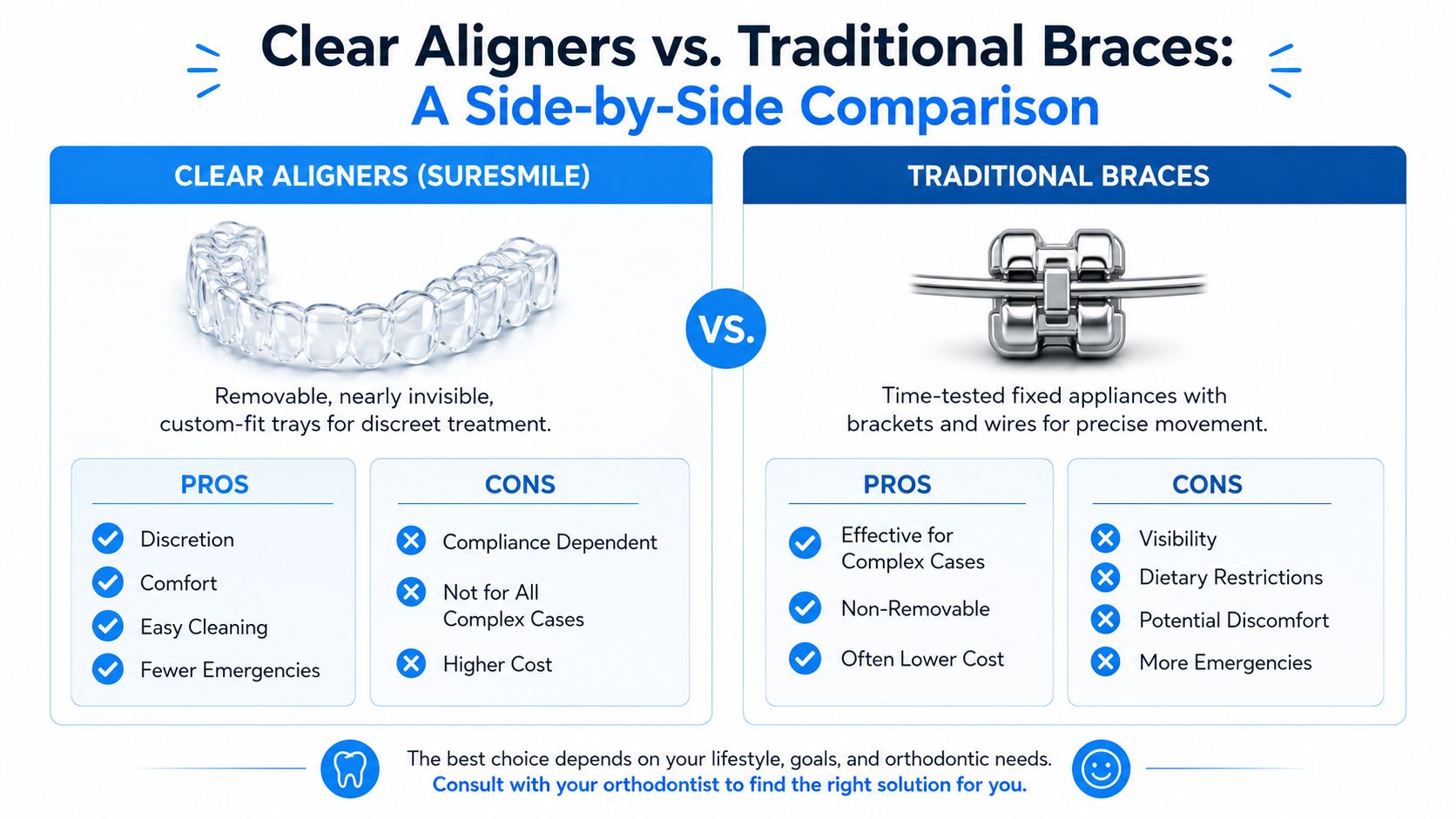
Adults usually do best when they choose the option that fits both the clinical plan and their real daily routine.
What matters most in daily life
Clear aligners appeal to adults who want a discreet option and the freedom to remove the appliance for meals, brushing, and flossing. That flexibility matters to patients with work meetings, social events, or photo-heavy professional lives. It also matters to adults planning later cosmetic treatment, because tooth position can be refined without placing brackets across every visible tooth surface.
For patients considering this route, clear aligner treatment for adults in Scottsdale can be a strong choice when the movements are a good fit and the patient will wear the trays as directed.
The limitation is simple. Aligners only work when they are in the mouth. Adults who snack often, sip coffee throughout the day, travel frequently, or know they are unlikely to stay on schedule often get more predictable results with fixed braces.
Patients who value flexibility often prefer aligners. Patients who want the appliance working full-time without relying on habit usually do better with fixed treatment.
This short overview can help patients visualize the differences in a practical way.
When fixed braces make more sense
Traditional braces still have advantages in adult cases that need tighter control. Larger rotations, significant crowding, and bite correction often respond better to an appliance that is attached full-time and adjusted in-office. That consistency can be especially helpful when treatment has to be sequenced carefully around existing dental work or future restorative changes.
Ceramic braces can be a reasonable middle option for adults who want fixed treatment without the look of metal brackets on every tooth. They are less noticeable, but they are not identical to metal braces in durability. In heavier-bite patients or in cases where bracket strength matters, metal is sometimes the better tool.
A few decision points usually make the choice clearer:
- Appearance is the top priority: Clear aligners are usually the least visible option.
- Tooth movement is more involved: Fixed braces often give better control.
- Daily discipline is a concern: Braces keep working whether the patient remembers them or not.
- Easier brushing and flossing matters most: Aligners have an advantage because they come out.
- Existing crowns, bonding, or planned cosmetic work are part of the case: The appliance should be chosen based on how it fits the full treatment plan, not just how it looks.
As noted earlier in the article, AARP reports that adult orthodontic costs vary widely. That range is a useful benchmark, but adults usually make the best decision by focusing on fit. The right appliance is the one that can move the teeth predictably, respect existing dental work, and support the smile goals that come next.
Orthodontics with Crowns Veneers or Dental Implants
A common Scottsdale consult goes like this: an adult patient wants straighter teeth, but there are already two crowns, a veneer on a front tooth, and an implant planned for a missing molar. That case should not be approached like a routine teen orthodontic case. The tooth movement may be straightforward. The sequencing is not.
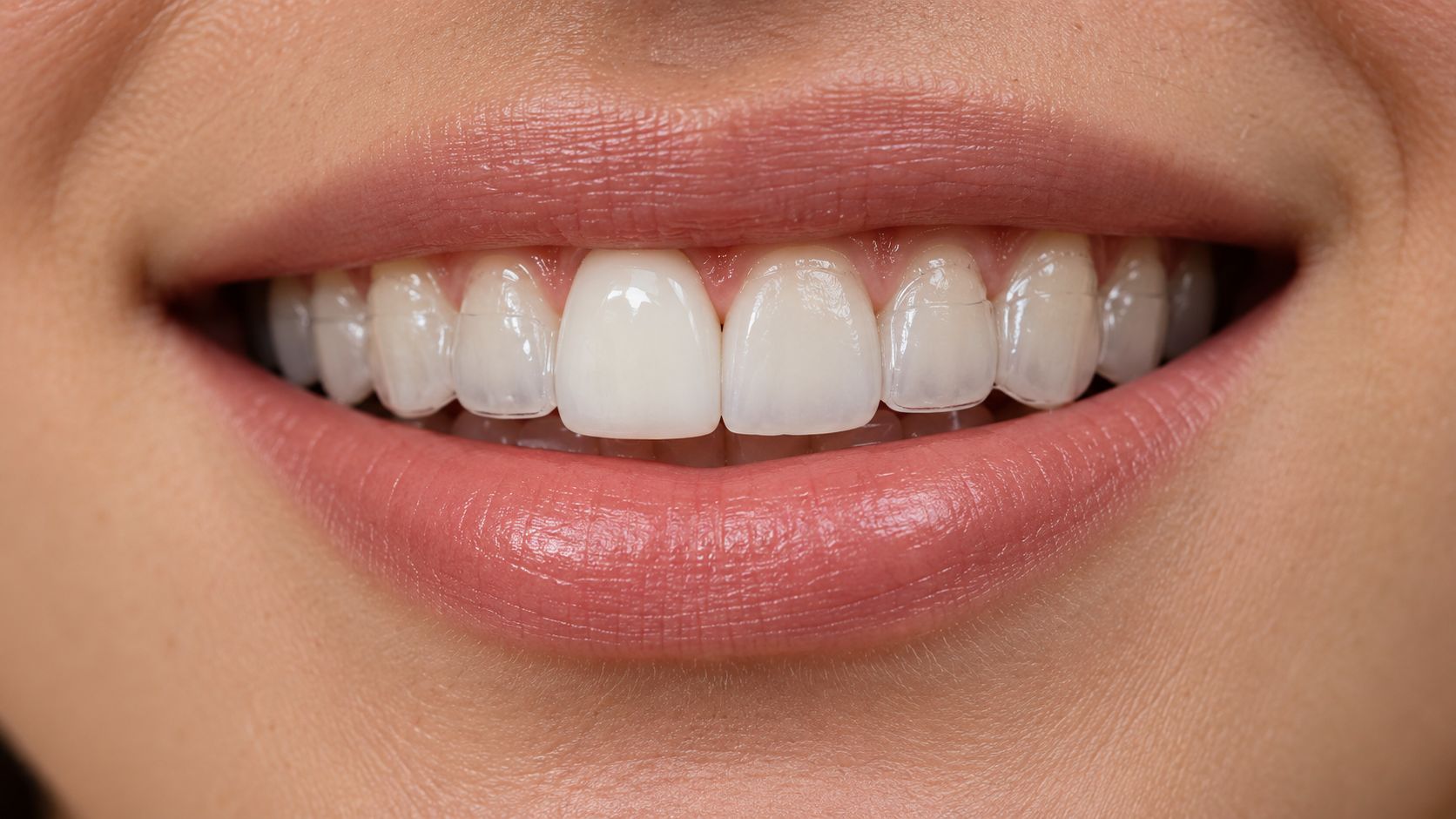
Why restorative work changes the plan
Natural teeth can be moved orthodontically. The materials attached to them need extra care. Crowns, veneers, and bonded areas can affect how securely attachments hold, how brackets are removed, and how much force is appropriate during treatment. The goal is controlled tooth movement while protecting the dentistry that is already in place.
That is why adults with cosmetic or restorative work need more than a basic appliance comparison. Some cases are good aligner cases because they limit how many visible porcelain surfaces need attachments or brackets. Other cases need fixed braces because the bite, root position, or tooth rotation calls for tighter control. The right choice depends on what has to move, what needs to be preserved, and what cosmetic work may follow.
I also look closely at the age and condition of the restorations. An older veneer with weak margins or a crown that may need replacement later changes the discussion. Sometimes it makes sense to complete orthodontics first, then refresh the dentistry once the teeth are in the right position.
Existing dental work does not prevent orthodontic treatment. It changes how the case should be planned and sequenced.
Timing matters with implants and cosmetics
Implants deserve special attention because they do not move with orthodontic forces. If an implant is already present, it becomes a fixed reference point and the nearby natural teeth must be positioned around it. If the implant has not been placed yet, orthodontics is often done first so the final space, bite, and angulation are correct before restoration.
Patients weighing that sequence can review what is involved in an implant crown procedure for replacing a missing tooth. In many adult cases, straighten first and restore second gives a cleaner result and a more stable bite.
The same principle applies to cosmetic planning. Veneers placed before alignment can lock in a shape or position that makes orthodontic correction harder later. Conservative tooth movement first often allows for less tooth reduction, better symmetry, and a more natural final smile.
Veneers and finishing work often look better after alignment
Adults are often balancing appearance, timeline, and long-term durability at the same time. If front teeth are crowded, flared, or uneven, trying to fix everything with porcelain alone can make teeth look wider or bulkier than intended. Small orthodontic changes can create the framework for better proportions before final cosmetic treatment is done.
This matters for worn edges, old bonding, and whitening plans too. Once the teeth are aligned and the bite is more settled, cosmetic finishing becomes more precise. That usually means fewer compromises in shape, thickness, and shade matching.
For adults with crowns, veneers, implants, or future smile makeover goals, orthodontics works best as part of the full restorative plan, not as a separate decision.
The Health Benefits of a Well-Aligned Smile
Straight teeth are easier to show in photos. What's more, they're often easier to keep healthy.
Better cleaning and less strain
Crowded or overlapping teeth create narrow spaces that are harder to brush and floss thoroughly. Even highly motivated patients can struggle to clean those areas well. A better alignment can make home care more effective and can support healthier gums over time.
A balanced bite also helps distribute chewing force more evenly. When one tooth or one side of the mouth takes too much force, wear can become uneven. Small chips, flattening, sensitivity, and muscle fatigue can follow. Adults looking for a dentist in Scottsdale, AZ often first notice these issues during routine exams, dental x-rays, or when discussing why certain teeth seem to keep breaking down.
Why this matters beyond appearance
Orthodontic treatment can also support comfort. When the bite fits more harmoniously, the jaw muscles often don't have to compensate as much for interferences or instability. That matters for adults who clench, grind, or already have bite-related strain.
For some patients, a well-aligned bite also makes restorative work more durable. A crown, veneer, or bonding repair tends to perform better when the forces on it are more controlled. That's one reason orthodontics can be part of a broader preventive and restorative strategy, not just a cosmetic service.
A straighter smile can make future dental care simpler. Teeth are easier to clean, restorations are easier to plan, and the bite often functions with less stress.
Adults who arrive thinking only about appearance often leave understanding that alignment affects long-term maintenance just as much as it affects looks.
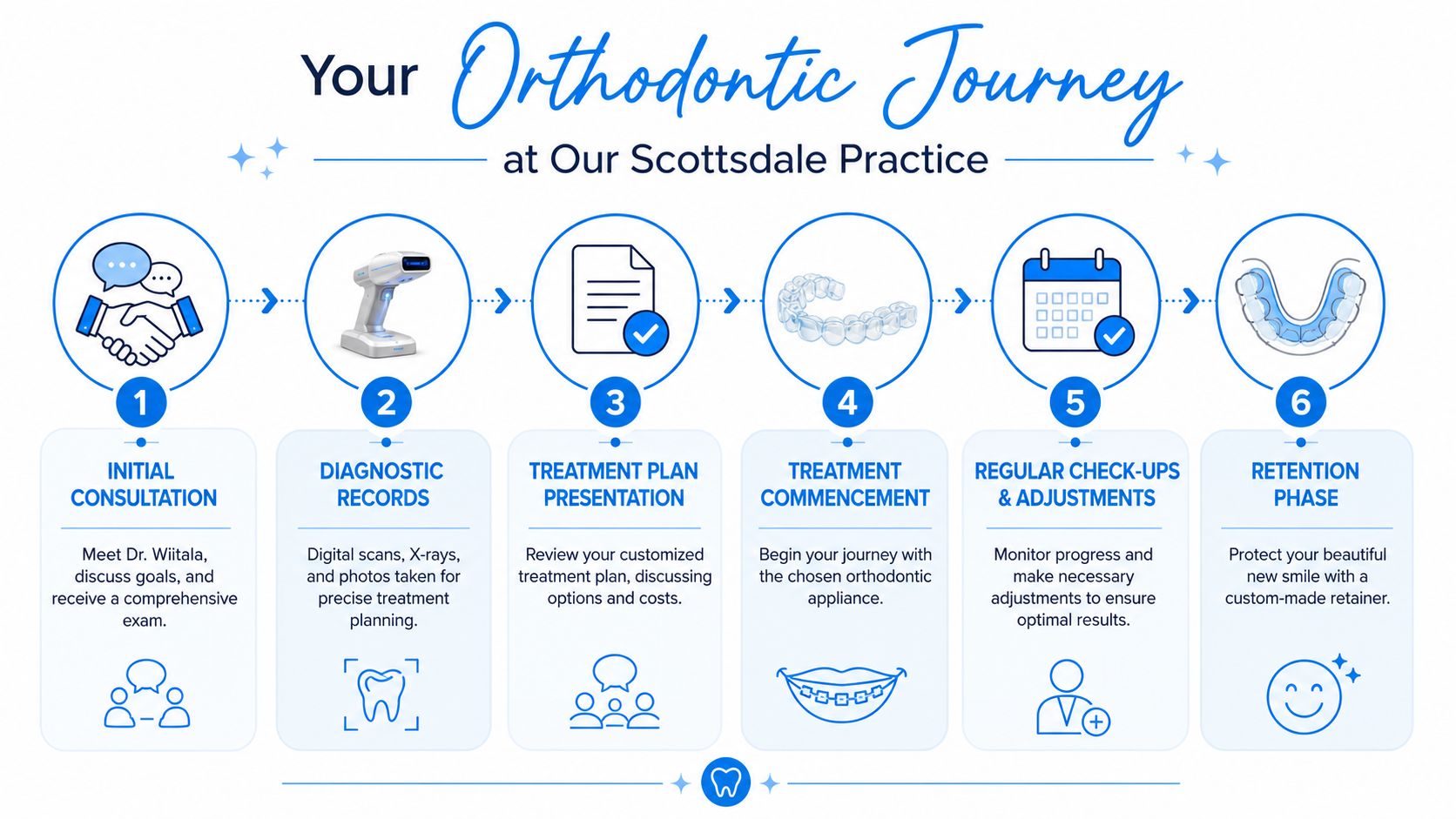
Your Orthodontic Journey at Our Scottsdale Practice
A common Scottsdale scenario looks like this. An adult patient wants straighter teeth, but also has an older crown, a front veneer, or an implant that cannot be moved. In those cases, the first appointment is not just about choosing aligners or braces. It is about deciding what can move safely, what needs protection, and how today's orthodontic plan fits with future cosmetic work.
The first visit is built around planning
The appointment starts with a conversation about priorities. Some adults want discreet tooth movement for work or social reasons. Others are trying to correct relapse after childhood braces, prepare for veneers, or create the right spacing for a restorative procedure.
The exam looks at more than alignment alone. Tooth position, bite function, gum health, wear patterns, old bonding, crowns, veneers, and implants all affect the plan. If a patient already has cosmetic dentistry in the smile zone, I pay close attention to how those restorations will look at the end of treatment, not just how the teeth line up on a scan.
Digital records help answer those questions early. That may include x-rays, photographs, and intraoral scans instead of traditional impressions. For adults, that detail matters because small decisions about attachments, tooth movement limits, or bite changes can affect both appearance and the lifespan of existing dental work.
Planning around crowns, veneers, implants, and future smile goals
Adults rarely come in with a simple straightening case.
A patient may need alignment before replacing a missing tooth. Another may have a crown that is serviceable now but may not match ideally once nearby teeth are repositioned. Veneers can add another layer of planning because the goal is not only straight teeth. The goal is a final smile that looks consistent in shape, color, and proportion.
Implants need special attention because they stay fixed while natural teeth move around them. That changes how spacing and bite correction are designed. In some cases, limited orthodontic movement is the right choice. In others, treatment works better in phases, with orthodontics first and cosmetic or restorative updates after the teeth are in a better position.
Sequence matters. If there is active decay, gum inflammation, pain, or a damaged tooth, those issues are handled first. If the mouth is stable, treatment can be staged so orthodontics supports the next step rather than complicating it.
What follow-up care usually involves
Once treatment begins, follow-up visits are focused and practical. With aligners, visits check fit, tracking, attachment retention, and whether the planned movements are staying realistic around crowns, veneers, or other restorations. With fixed appliances, visits focus on adjustments, oral hygiene, and how the bite is settling over time.
Adults often appreciate that these appointments are also planning checkpoints. Tooth movement may change the ideal timing for whitening, bonding, veneer replacement, or implant restoration. Reviewing those details during treatment helps avoid finishing orthodontics and then realizing the cosmetic plan should have been handled differently.
Eric Wiitala DDS provides clear aligner treatment within a practice that also addresses restorative and cosmetic dentistry. For adults in Scottsdale, that means orthodontic decisions can be made with the full smile in mind, including how the teeth will function, how existing dental work will hold up, and what final refinements may make sense once alignment is complete.
Frequently Asked Questions About Adult Orthodontics
A common adult orthodontic question sounds simple at first. “Can I straighten my teeth without affecting the crowns, veneers, or implant I already have?” That is often the primary issue, especially for adults who have invested in cosmetic or restorative work and do not want to create new problems while fixing alignment.
Is adult orthodontic treatment painful
Adults usually feel pressure more than pain. The first few days after starting aligners or after an adjustment with fixed braces can leave teeth sore, especially when biting into firmer foods. That response is expected and usually short-lived.
The bigger concern for many adults is not discomfort. It is whether treatment will fit daily life, speech, work meetings, travel, and meals out. Clear aligners are often easier in that respect, but they still require consistency. If trays are not worn as directed, treatment can drag on and soreness can repeat more often because the teeth are not tracking well.
Adults with crowns, bonding, or veneers also need closer monitoring because attachments may not bond the same way they do on untouched enamel.
How do adults keep teeth from shifting again
Retention is the part adults should plan for before treatment even starts. Teeth can drift after orthodontics, and adults who had crowding return after braces in their teens already know that firsthand.
The right retainer depends on the bite, the amount of movement, grinding habits, and any dental work already present. For example, a patient with porcelain veneers or a history of clenching may need a different retention plan than someone with untreated natural teeth. Implant-supported teeth do not move, so retainers also need to work around those fixed positions without placing unwanted pressure on nearby teeth.
This is one reason adults benefit from a treatment plan that looks beyond straightening alone. The finish has to be stable.
What about insurance and financing
Coverage for adult orthodontics varies widely. Some plans help with treatment. Some exclude adult orthodontics altogether. Some contribute to certain types of appliances but not others.
A dental office can usually verify benefits, explain what portion is likely to be out of pocket, and review financing options before treatment begins. That conversation matters more when orthodontics is only one part of the plan. If a patient may also need whitening, bonding, veneer updates, or implant restoration after alignment, it helps to map out timing and costs in the right order instead of making decisions one step at a time.
If a straighter smile has been on the list for a while, the next step is a consultation with Eric Wiitala DDS. Adults in Scottsdale who are weighing clear aligners, cosmetic dentistry, restorative treatment, dental implants, or a full smile update can get a plan that looks at the whole picture. Call (480) 657-6981 or visit the office at 9755 North 90th Street, Suite B250, Scottsdale, AZ 85258 to schedule an appointment.