

A working professional in Scottsdale reaches for a team photo, smiles halfway, and then closes the camera app. A chipped front tooth, old stained bonding, or uneven color can make a person avoid ordinary moments, while an online veneer quote that reaches five figures makes a full smile transformation feel unrealistic.
An affordable smile makeover doesn't mean choosing the cheapest procedure on a price list. It means matching the treatment to the actual concern, protecting healthy tooth structure, and choosing a sequence that balances today's fee with the cost of repairs and replacement later. For patients comparing a cosmetic dentist near me, a dentist in Scottsdale, AZ, or related care such as dental implants near me, the right consultation should explain trade-offs plainly.
Table of Contents
- When a Brighter Smile Has to Fit a Real Budget
- What an Affordable Smile Makeover Actually Means
- Common Procedures and What They Cost in Scottsdale
- How Dr. Wiitala Builds a Phased Treatment Plan
- Material Choices That Change Long-Term Value
- Insurance, Financing, and Membership Options
- What to Expect at Your First Visit in Scottsdale
- Next Steps Toward Your Affordable Smile Makeover
When a Brighter Smile Has to Fit a Real Budget
A Scottsdale patient in their 40s may have a chipped front tooth, discolored older dental work, and mild crowding. The patient wants to smile confidently at work but doesn't want to commit to a large veneer case before understanding whether whitening, alignment, or selective bonding could solve most of the problem.
That conversation is where Dr. Eric Wiitala serves as a local advisor. Rather than treating every cosmetic concern as a reason for full-mouth work, Dr. Wiitala can evaluate which teeth affect the smile and which problems require restorative attention first. A staged plan can make treatment feel manageable without turning the result into a temporary patchwork.
Dental affordability matters because oral care creates stronger cost barriers than many other health services in the United States. In 2023, 13% of the population reported cost barriers to dental care, compared with 4% to 5% for other health care services, according to the American Dental Association's national trends report. The same report states that 20.1% of full-year insured adults reported forgoing dental care because of affordability, and 30% of adults below the ALICE threshold said they needed dental care during the prior 12 months but went without because they couldn't afford it.
The question behind the quote
A full smile reconstruction may not be appropriate when the concern is limited to color, one chip, or small spacing. The more useful questions are:
- Which teeth cause the concern?
- Does the bite or tooth wear threaten the result?
- Can treatment be divided across 12 to 24 months?
- What combination offers the lowest realistic cost over three to five years?
Patients researching local dental care can also review Transactional LLC's SEO plan when evaluating how local service providers communicate their offerings online. For dental care itself, the practical next step remains a thorough consultation, not an online price comparison.
What an Affordable Smile Makeover Actually Means
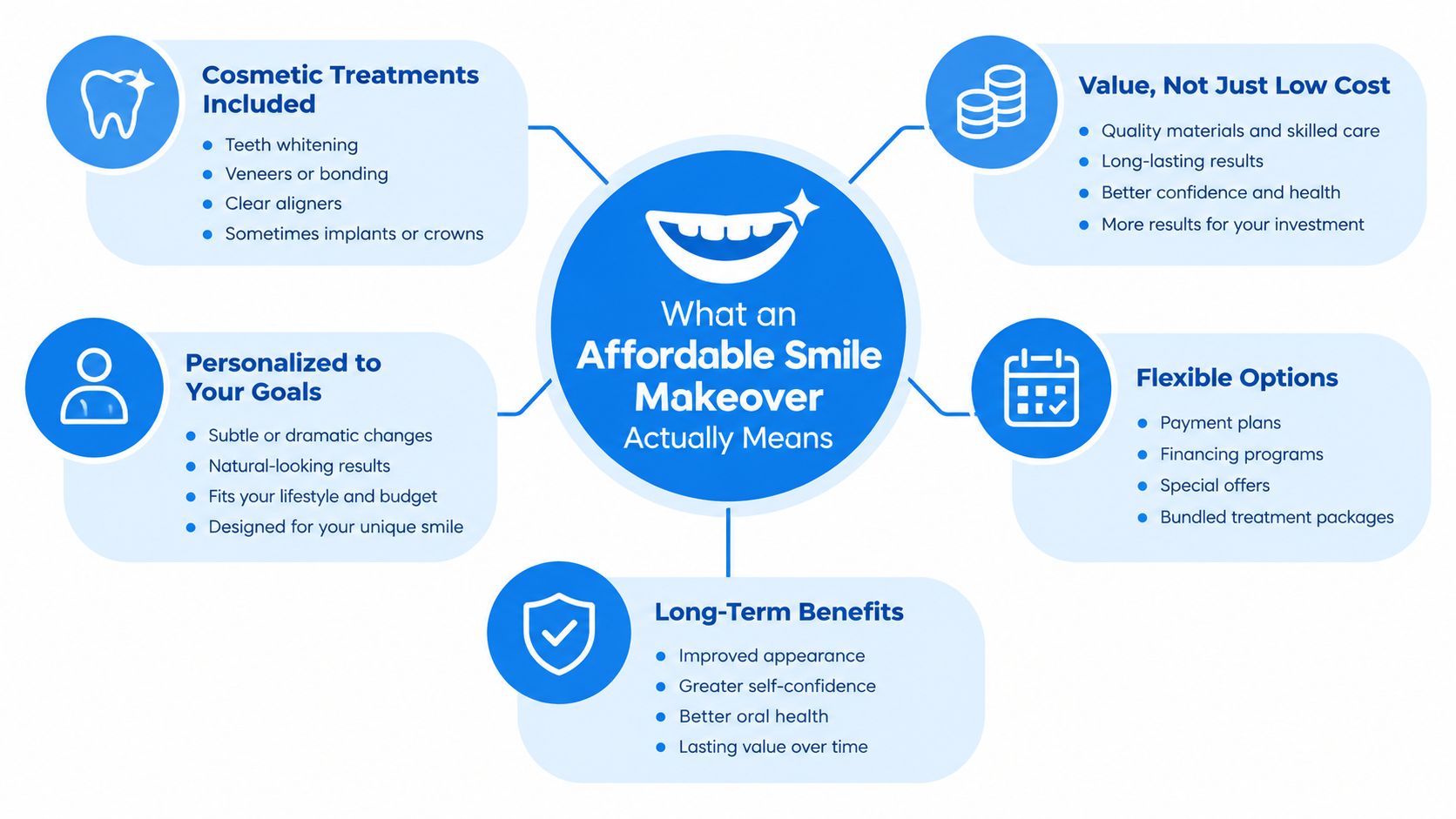
An affordable smile makeover is the lowest-cost combination of procedures that solves a specific concern for an acceptable length of time. It isn't automatically the treatment with the smallest initial fee. A low-cost repair that breaks, stains, or needs replacement quickly may cost more over time than a durable option selected carefully from the start.
A home renovation makes the distinction clear. Replacing a cracked backsplash isn't the same project as rebuilding an entire kitchen, even though both may be described as kitchen work. In the same way, whitening one stained smile, reshaping two front teeth, and replacing several missing teeth shouldn't receive the same treatment label or financial expectation.
Three costs belong in every comparison
Upfront fee matters, but it's only the first line. Patients should ask whether the estimate includes diagnostic records, laboratory work, temporary restorations, retainers, follow-up visits, and adjustments.
Expected lifespan changes the calculation. Dental bonding and veneers have different durability profiles, and the result depends on bite forces, tooth structure, oral hygiene, staining habits, and material selection. The Cleveland Clinic's overview of cosmetic dentistry reports that bonding typically lasts 5 to 8 years, while veneers generally last 5 to 15 years.
Maintenance cost includes polishing, whitening touch-ups, repairs, retainers, night guards, and eventual replacement. A treatment plan that preserves enamel and manages bruxism may offer better long-term value than a less expensive plan that ignores the forces damaging the teeth.
Practical rule: The best affordable plan is the one that solves the actual defect without adding unnecessary irreversible treatment.
Common Procedures and What They Cost in Scottsdale
Scottsdale pricing varies according to case complexity, dentist training, laboratory selection, material grade, imaging needs, and whether treatment is completed in one stage or several. The ranges below are planning figures, not a personal estimate.
| Procedure | Scottsdale Cost Range | What It Fixes | Typical Lifespan |
|---|---|---|---|
| Professional take-home whitening | Varies by case and office protocol | Mild to moderate tooth discoloration | Requires maintenance as stains return |
| In-office whitening | Varies by case and office protocol | Faster shade improvement for suitable teeth | Requires maintenance as stains return |
| Composite bonding | $200 to $500 per tooth | Small chips, worn edges, minor reshaping, small spaces | 4 to 7 years |
| Porcelain veneers | $1,200 to $2,500 per tooth | Persistent color, shape, proportion, and selected spacing concerns | 12 to 20 years |
| Clear aligner therapy | $3,500 to $6,500 for full treatment | Mild to moderate crowding and spacing | Requires retention after alignment |
| Single-tooth implant | Starts near $4,000 for the surgical component alone | Missing-tooth replacement | Depends on bone, hygiene, bite, and restoration care |
The procedure should follow the defect. Whitening addresses shade, not a chipped edge. Bonding changes shape, not the position of a crowded tooth. Clear aligners improve alignment, but they don't replace missing teeth. An implant replaces a missing tooth, but it isn't a substitute for whitening or cosmetic reshaping on neighboring teeth.
Independent cost estimates also place professional in-office whitening at roughly $300 to $800 per session, composite veneers at about $872 to $1,373 per tooth, and porcelain veneers at approximately $925 to $2,500 per tooth. A full set of 8 to 10 veneers can exceed $10,000, while a typical cosmetic dentistry patient was reported to spend around $3,700 per year on cosmetic services as of 2021, according to Guardian Life's dental procedure cost guide.
For a closer discussion of two commonly confused options, patients can review dental bonding versus veneers and their cost before the consultation. The goal isn't to choose a procedure in advance. It's to arrive ready to ask which option fits the tooth, the bite, and the desired timeline.
A useful local dental practice also needs to communicate treatment clearly across patient touchpoints. Guidance on building a multi-channel presence for dentists can help explain why patients often compare a practice's education, service pages, and consultation process before calling.
How Dr. Wiitala Builds a Phased Treatment Plan
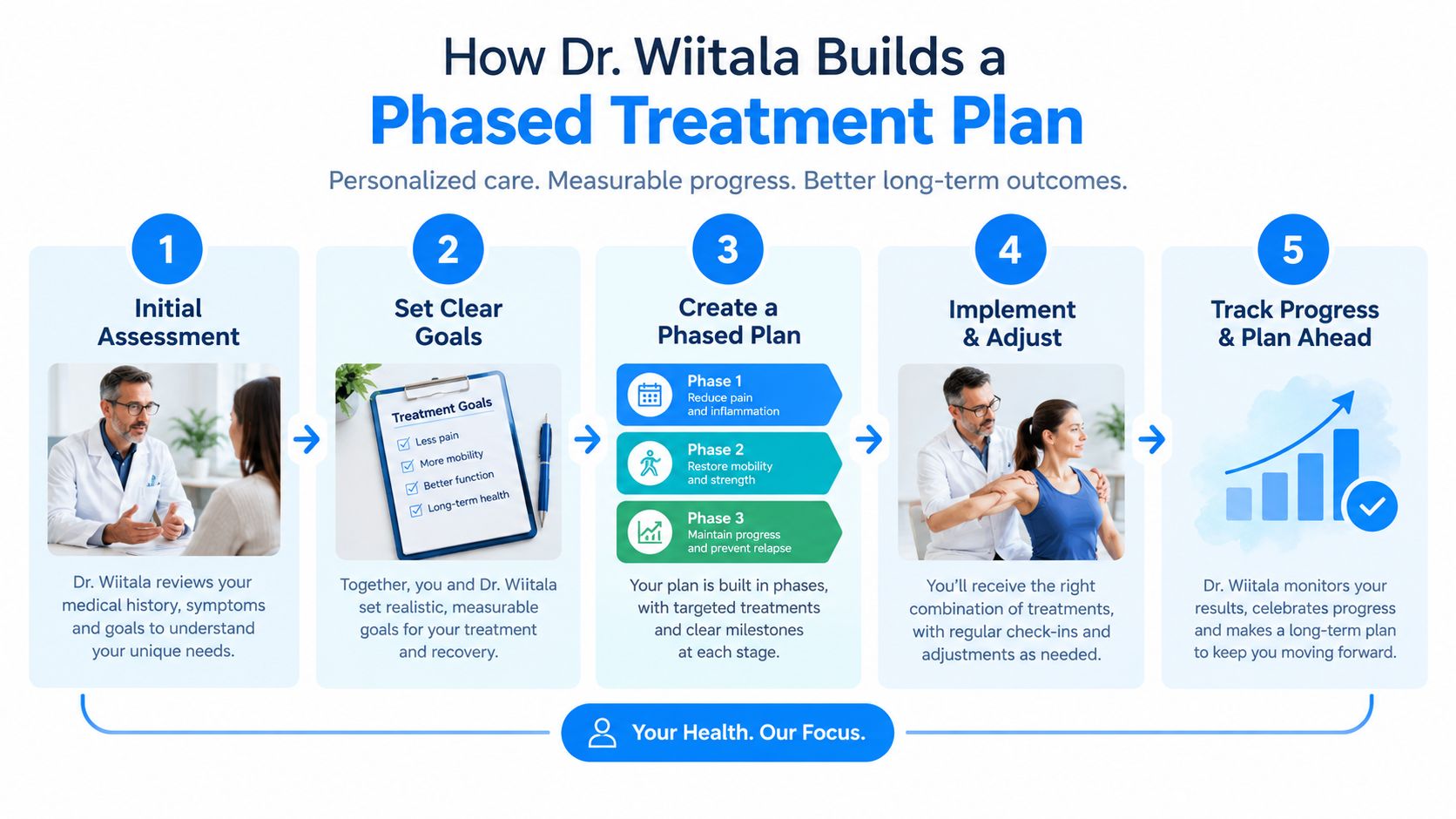
Dr. Eric Wiitala's approach starts with the patient's chief complaint, not with a predetermined package. A person may say, “The smile looks uneven,” but photographs and a bite assessment may reveal that one worn edge, a shifted tooth, or an old crown creates most of the visual imbalance.
Step one starts with diagnosis
The evaluation can include:
- A focused conversation about the smile concerns that affect work, social situations, photographs, or daily confidence.
- Clinical photographs and models to assess tooth shape, gum display, proportion, and symmetry.
- A bite analysis to identify clenching, grinding, uneven contact, or wear that could shorten the life of cosmetic work.
- A separation of priorities, distinguishing decay, broken teeth, failing crowns, gum concerns, or infection from elective cosmetic improvements.
Urgent restorative needs come first because cosmetic treatment shouldn't cover an unstable foundation. A cracked tooth may need a crown, and a missing tooth may require a bridge or implant discussion. A patient searching for an Emergency dentist should address pain, swelling, trauma, or a broken restoration before beginning elective whitening or veneers.
Phases create order, not shortcuts
Consider a Scottsdale patient with a chipped front tooth, stained bonding, and mild crowding. A sensible first phase could address shade and alignment with whitening and clear aligners. Once the teeth are positioned and the color is established, the second phase could use composite edge bonding or limited veneers rather than placing restorations on teeth that may later move.
The sequence can also protect the patient's monthly comfort zone. One person may prefer visible improvement early and restorative work later. Another may prioritize a missing tooth because chewing matters more than front-tooth symmetry. Neither plan is automatically correct without an examination.
Digital planning can support this process. A published multidisciplinary case report described combining intraoral scan files, photographs, and imaging data in a digital workflow to guide crown lengthening and implant placement. The reported digital smile-design workflow illustrates how virtual planning can improve previsualization before irreversible treatment begins.
Phasing doesn't mean cutting corners. It means placing the right treatment at the right time.
Material Choices That Change Long-Term Value
Material selection changes more than appearance. It affects repairability, staining, tooth reduction, laboratory involvement, and how often a patient may need to revisit the treatment.
Composite bonding usually has the lower initial fee and can often be repaired or adjusted directly. It suits small chips, modest reshaping, and limited space closure. It can be a strong value when the bite is stable and the patient accepts that maintenance may occur sooner.
Porcelain veneers generally require a higher investment but can provide a more controlled surface for color and shape. Their value depends heavily on case selection and bonding conditions. A review of veneer survival reports approximately 99% survival when veneers are bonded to intact enamel compared with roughly 91% when substantial dentine is exposed, as summarized in this review of veneer longevity and tooth structure.
Matching material to the patient
A coffee-drinking patient may care most about stable color. A patient who grinds may need bite protection and material selection that account for heavy forces. Someone who wants the longest interval between redo visits may accept a higher initial fee, provided the teeth have enough healthy structure and the plan is clinically appropriate.
Full ceramic crowns belong in the restorative conversation when a tooth is structurally compromised, not just because a crown can change its appearance. Zirconia or lithium disilicate may earn a premium in selected situations because strength, translucency, thickness, and location all matter. The material should serve the tooth, not the other way around.
| Material | Average Lifespan | Relative Cost | Best For |
|---|---|---|---|
| Direct composite | 5 to 8 years | Lower | Small chips, edge repair, modest reshaping |
| Porcelain veneer | 5 to 15 years generally | Higher | Persistent color or shape concerns on suitable teeth |
| Full ceramic crown | Case-dependent | Higher | Teeth weakened by damage or extensive restorations |
Patients comparing advanced options can read about advanced dental materials before discussing whether a particular material is appropriate. The final choice should account for enamel, bite, gum health, hygiene, and the patient's tolerance for future maintenance.
Insurance, Financing, and Membership Options
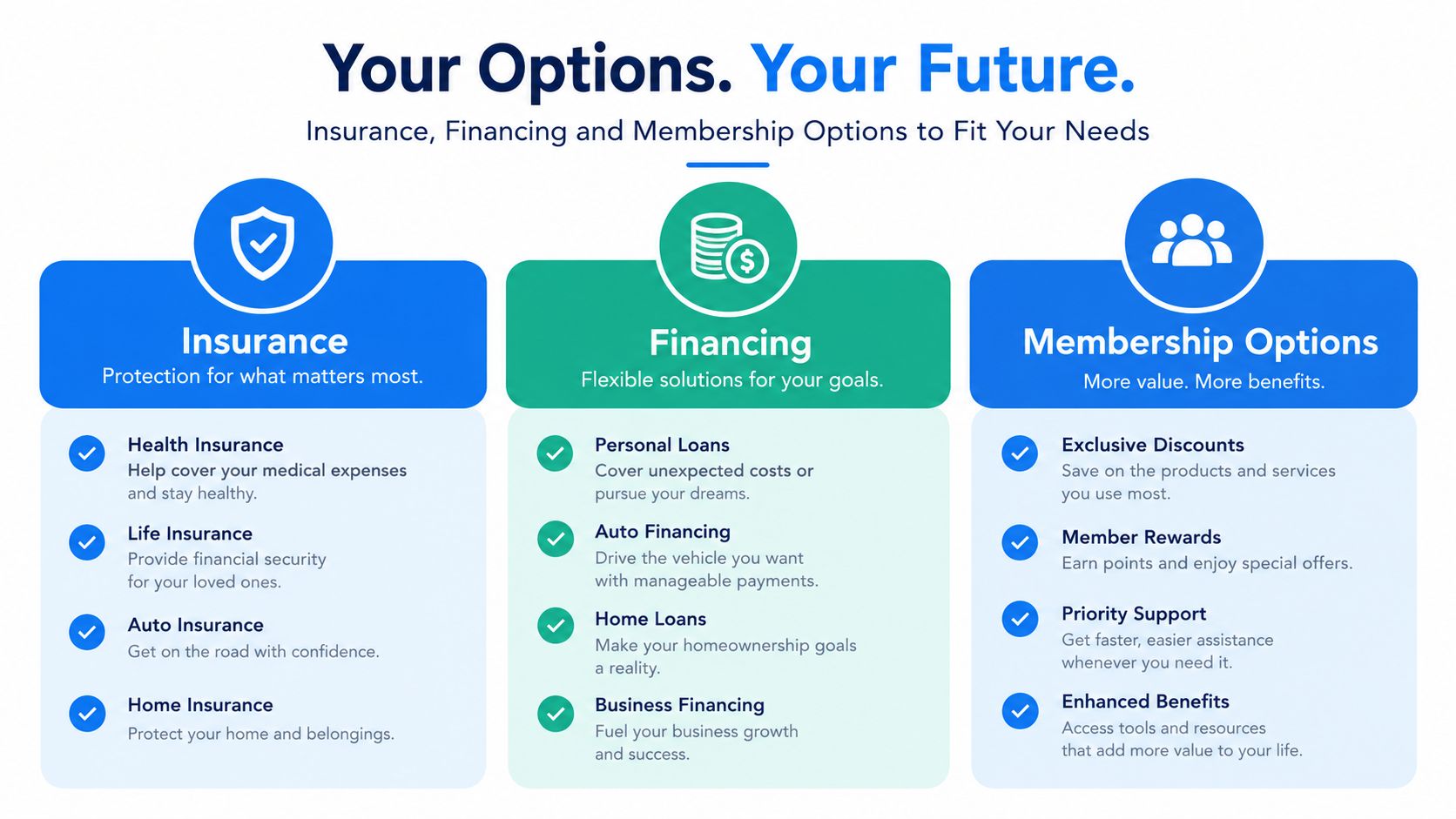
Cosmetic dentistry is often paid by the patient because purely aesthetic whitening, veneers, and bonding generally aren't covered as benefits. The restorative side may be treated differently. A crown for a broken tooth or an implant replacing a missing tooth may qualify for benefit consideration, depending on the plan's exclusions, documentation, waiting periods, and annual limits.
The CareCredit cost guide reports that whitening averages about $449, bonding about $431 per tooth, veneers about $1,359 per tooth, and clear aligners about $5,108. Those figures demonstrate why a smile makeover can range from under $2,000 to well over $20,000, depending on the combination selected. They should be used for orientation, not as a Scottsdale treatment quote.
Questions to ask about payment
A financing discussion should focus on the complete repayment terms, not only the promotional language.
- Promotional period: Ask how long the promotional term lasts and what happens if the balance remains.
- Interest terms: Confirm whether interest is deferred, reduced, or charged under a different structure.
- Monthly amount: Make sure the payment fits the household budget after considering other dental needs.
- Phasing: Ask whether the plan can separate preventive, restorative, orthodontic, and cosmetic stages.
The office can also review available financing options, billing support, and any in-house membership arrangement offered to eligible patients. Patients should ask which preventive services are bundled and whether cosmetic treatment receives a stated discount. Those details must be confirmed directly because plan terms can change.
If a veneer also restores a documented cracked tooth, the office may be able to submit the restorative portion for review, but the insurer makes the coverage decision. Bringing current benefit details to the first visit helps the team identify exclusions and request preauthorization when appropriate.
What to Expect at Your First Visit in Scottsdale
The first contact usually begins with a welcome call to the 90th Street office. The front-desk team gathers the patient's goals, medical history, current concerns, and insurance details so the visit can focus on decisions rather than repeated paperwork.
At 9755 North 90th Street, Suite B250, Scottsdale, AZ 85258, the patient meets the dental team and describes what feels most important. One patient may care about a dark front tooth. Another may be more concerned about missing teeth, worn chewing surfaces, jaw tension, or discomfort. Those priorities shape the consultation.
Diagnostics reveal what a mirror can't
The examination can include digital photographs, low-radiation dental imaging, intraoral scans, and a bite assessment. These records help identify issues that whitening or veneers alone cannot correct, including decay, gum concerns, tooth wear, unstable contacts, or inadequate space for a replacement tooth.
A patient searching for a dentist near me may expect a quick cosmetic quote, but a responsible plan requires more than a shade discussion. A patient asking about dental implants near me needs an evaluation of the missing-tooth site and surrounding structures. Someone considering a tooth extraction needs an assessment of whether the tooth can be predictably restored and whether replacement planning should begin before removal.
The plan is reviewed chairside
Dr. Wiitala reviews the findings with the patient and explains the options on a screen. The discussion can distinguish a conservative route, a phased restorative-cosmetic route, and a more extensive option when the condition of the teeth warrants it.
Each recommendation should connect to a written estimate. That estimate should identify what happens first, what can wait, which procedures are elective, and what assumptions affect the fee. Patients can ask same-day questions about whitening, bonding, veneers, aligners, crowns, bridges, or implants.
No commitment is required before leaving with a personalized roadmap. The purpose of the first visit is to replace uncertainty with clear choices, including the choice to wait, save, or complete treatment gradually.
Next Steps Toward Your Affordable Smile Makeover
Three decisions keep an affordable smile makeover grounded in reality:
- Prioritize the concern that affects daily confidence most. A single visible chip may deserve attention before a broader color correction. Pain, decay, gum disease, and broken teeth take clinical priority over elective changes.
- Choose materials by five-year value. A lower day-one fee can be sensible when the repair is small and easy to maintain. A more durable material may make better financial sense when replacement would be disruptive or when the tooth needs structural protection.
- Use staged treatment deliberately. Whitening, selective bonding, aligners, veneers, crowns, bridges, and implants don't need to happen together. The sequence should reflect clinical urgency, tooth position, bite stability, and the patient's budget.
A practical match between concern and treatment looks like this:
- Shade: Professional whitening when the teeth are suitable for bleaching.
- Small chip or worn edge: Direct composite bonding.
- Persistent shape or color issue: Limited porcelain veneers when tooth structure and bite support them.
- Crowding or spacing: Clear aligner therapy followed by retention.
- Missing tooth: A bridge or implant-based replacement after evaluation.
- Broken or weakened tooth: Restorative treatment such as a crown before cosmetic refinement.
Scottsdale patients can request a consultation through the practice website, call the 90th Street office at (480) 657-6981, or complete new-patient forms before arrival. Financing pre-approval may take roughly ten minutes, and pre-approval doesn't obligate the patient to accept treatment.
An affordable plan should leave the patient knowing what to do first, what can wait, and what the expected maintenance may involve. That clarity matters more than a generic package price because every smile has a different mix of healthy enamel, restorations, wear, alignment, and missing teeth.
Eric Wiitala DDS offers cosmetic, restorative, preventive, orthodontic, and implant consultations for Scottsdale patients who want a smile makeover built around clinical needs and budget. Visit Eric Wiitala DDS to request a no-pressure consultation and start a staged plan on a timeline that fits.