
Implants Near Me: How to Know If You’re a Good Candidate
Missing teeth can affect your life in ways that go beyond your smile. You may find yourself chewing on one side, avoiding certain foods, speaking differently, or feeling less confident in photos and conversations. For many patients, dental implants offer a stable, natural-looking way to replace missing teeth and restore function.
But not everyone knows whether they are a good candidate for implants near me. Some people assume they are too old. Others worry they have waited too long after losing a tooth. Some are unsure whether implants are right for them if they have gum problems, bone loss, medical conditions, or existing dentures.
The good news is that candidacy is not something you have to figure out alone. A dental implant consultation can help determine whether implants are a good fit for your oral health, goals, and long-term smile plan.
At Dr. Eric Wiitala’s Scottsdale dental practice, implant care is approached through careful planning and collaboration. Dr. Wiitala works with a selected team of specialists, including oral surgeons, periodontists, and lab technicians, to help patients move through the implant process with clarity and confidence. The office also offers restorative and cosmetic services that may be part of a complete tooth replacement plan, including crowns, bridges, and All-on-Four implant denture solutions.
What Dental Implants Are Designed to Do
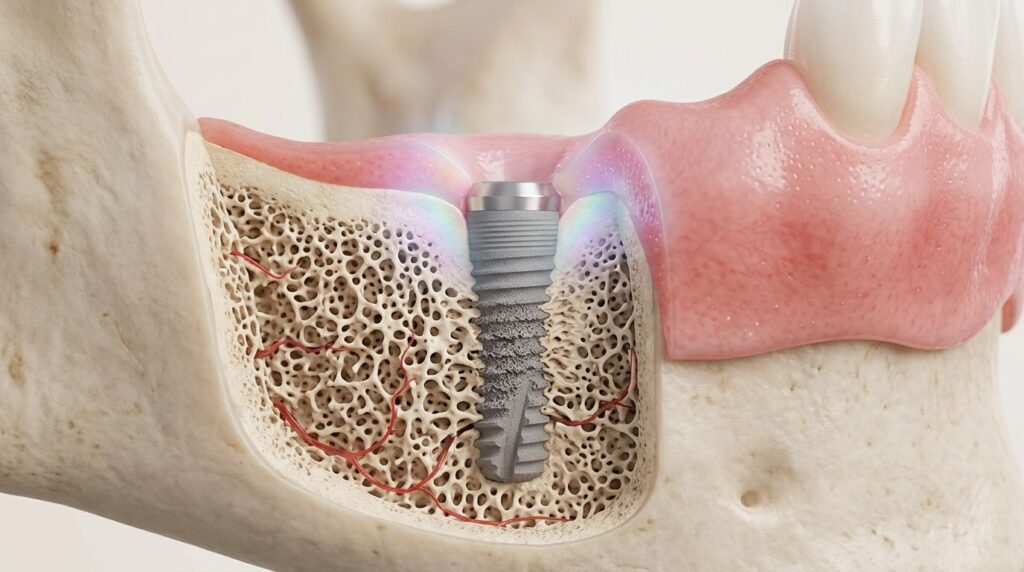
A dental implant is a tooth replacement option that replaces more than the visible part of a tooth. The implant itself is placed in the jawbone and acts like an artificial tooth root. After healing, it can support a custom restoration, such as a crown, bridge, or full-arch prosthetic.
For one missing tooth, an implant may be restored with a custom crown. For several missing teeth, implants may support a bridge. For patients missing most or all teeth in an arch, options such as All-on-Four may be considered. Dr. Wiitala’s All-on-Four page describes a collaborative process that includes consultation, 3D imaging, specialist coordination, implant placement by trusted specialists, and temporary teeth attached the same day in appropriate cases.
The goal is not just to fill a gap. Dental implants are meant to restore chewing ability, support the bite, improve appearance, and help patients feel more secure when smiling and speaking.

You May Be a Candidate If You Are Missing One or More Teeth
The most obvious reason to consider dental implants is that you are missing one or more teeth. This may include a single missing tooth, several missing teeth, or a full arch of missing teeth.
Even if the missing tooth is not visible when you smile, replacing it may still matter. Gaps can allow nearby teeth to shift. Chewing pressure can become uneven. The jawbone in that area may begin to shrink over time because it no longer receives stimulation from a natural tooth root.
Dental implants are often considered when patients want a replacement that feels more stable than a removable appliance. They may also be helpful for patients who do not want nearby healthy teeth altered for a traditional bridge, although every case is different.
A consultation can help determine whether an implant, bridge, partial denture, or another option is best for your situation.
Healthy Gums Are Important
Healthy gums are one of the most important factors in dental implant success. Implants rely on the support of the surrounding bone and gum tissue. If active gum disease is present, it may need to be treated before implant placement can move forward.
Signs of gum problems may include bleeding when brushing, swollen gums, persistent bad breath, gum recession, loose teeth, or tenderness around the teeth. Some patients have gum disease without obvious pain, which is why a dental evaluation is so important.
If your gums are not currently healthy, that does not automatically mean implants are impossible. It may simply mean that gum health needs to be stabilized first. In some cases, a periodontist may be involved as part of the treatment team.
Dr. Wiitala’s site emphasizes a collaborative implant approach, working with specialists to ensure patients receive coordinated care at each step of the implant journey.
You Need Enough Bone to Support the Implant
Dental implants need a strong foundation. After a tooth is lost, the jawbone in that area can gradually shrink. The longer a tooth has been missing, the more likely it is that bone loss has occurred.
During an implant evaluation, your dentist or specialist may use imaging to assess the amount and quality of bone available. If there is enough bone, implant treatment may be more straightforward. If bone volume is limited, additional procedures such as bone grafting may be discussed.
This is one reason it is helpful not to delay a consultation. Even if you are not ready to begin treatment right away, learning about your bone health can help you understand your options.
For All-on-Four treatment, Dr. Wiitala’s website notes that the journey includes comprehensive examination, 3D imaging, and treatment planning to determine candidacy.

Your Overall Health Matters
Dental implant treatment involves healing, so your overall health plays a role. Conditions such as uncontrolled diabetes, certain immune concerns, heavy smoking, or medications that affect bone healing may influence whether implants are appropriate or whether additional precautions are needed.
This does not mean that every medical condition rules out implants. Many patients with health concerns can still be candidates with proper planning and coordination. The key is honesty during the consultation. Your dental team needs to know about your health history, medications, previous surgeries, and any conditions that could affect healing.
If needed, your dentist may coordinate with your physician or a specialist before moving forward.
Good Oral Hygiene Is Essential
Dental implants cannot get cavities, but the tissue around them still needs daily care. Brushing, flossing, professional cleanings, and routine checkups remain important.
A good implant candidate is someone who is willing to maintain their oral health after treatment. This includes keeping the gums clean, following home-care instructions, and attending recommended maintenance visits.
If you have struggled with dental care in the past, that does not mean you are not a candidate. It may simply mean your dental team will help you build a stronger routine before and after treatment.
Long-term success depends on caring for the whole mouth, not just the implant.
You Should Have a Stable Bite
Your bite also matters. If your teeth do not come together evenly, or if you grind and clench heavily, the implant restoration may be placed under extra stress.
Patients who grind their teeth may still be able to receive implants, but they may need added protection. Dr. Wiitala’s office offers custom occlusal guards and appliances, which can help protect teeth and restorations from nighttime grinding or clenching.
Bite evaluation is an important part of planning because the final restoration needs to function comfortably. A beautiful implant crown still needs to handle chewing forces properly.
You May Be a Candidate If Dentures Feel Loose or Uncomfortable
Some patients look into implants because they are tired of loose dentures. Traditional dentures can work well for some people, but others struggle with slipping, sore spots, limited chewing ability, or lack of confidence.
Implant-supported options may provide more stability. All-on-Four implant dentures, for example, are designed to use four strategically placed implants to support a full arch of replacement teeth. Dr. Wiitala’s website describes this as a collaborative treatment involving carefully selected oral surgeons and specialists, with Dr. Wiitala helping coordinate the process.
If dentures are affecting your ability to eat, speak, or smile comfortably, an implant consultation may help you understand whether a more secure option is available.
You Should Have Realistic Expectations
Dental implants can be life-changing, but they are not instant in every case. Some treatments require multiple steps, including consultation, imaging, tooth removal if needed, bone grafting if needed, implant placement, healing, and final restoration.
For some patients, temporary teeth or temporary appliances may be part of the process. For others, especially certain All-on-Four cases, same-day temporary teeth may be possible. The exact timeline depends on your mouth, bone health, treatment type, and specialist recommendations.
A good candidate is someone who understands that implant treatment is a process. The goal is to create a result that is stable, comfortable, natural-looking, and built for long-term use.
You Want a Natural-Looking Final Smile
Implants are not only about function. The final restoration should also look natural. This is especially important when replacing front teeth or planning a larger smile restoration.
Dr. Wiitala’s practice offers cosmetic and general dentistry in Scottsdale, including crowns, bridges, veneers, fillings, and teeth whitening. The homepage describes the practice as focused on high-quality cosmetic, family, and general dental services, with an emphasis on helping patients make informed decisions about their dental health.
This cosmetic-restorative perspective matters during implant care. The implant placement is only one part of the process. The final crown, bridge, or full-arch restoration must be designed to fit your bite, facial features, and smile.
When Dental Implants May Not Be the First Step
Some patients are interested in implants but need other care first. That may include treating gum disease, removing a damaged tooth, improving oral hygiene, addressing decay, managing grinding, or evaluating bone loss.
In other cases, a bridge, crown, bonding, or another restorative treatment may be more appropriate. For example, if a tooth is damaged but still restorable, a crown may be considered before extraction. Dr. Wiitala’s crown page explains that crowns can protect damaged teeth and restore strength and function after decay or injury.
The best treatment plan starts with diagnosis. A consultation helps determine whether the goal should be to save a natural tooth, replace a missing tooth, or plan a more complete smile restoration.
Questions to Ask During an Implant Consultation
If you are considering dental implants, your consultation is the right time to ask clear questions. You may want to ask:
Am I a good candidate for dental implants?
Do I have enough bone for implant treatment?
Are my gums healthy enough right now?
Would I need bone grafting or other preparation?
Who will place the implant?
Who will design and place the final restoration?
How long will the process take?
What temporary options are available while I heal?
How do I care for the implant after treatment?
What are my alternatives if implants are not the best fit?
A good dental team should welcome these questions. You should leave the visit with a clearer understanding of your options, not more confusion.

The Best Way to Know Is to Schedule an Evaluation
You may be a good candidate for dental implants if you are missing teeth, have healthy gums, have enough bone support, maintain good oral hygiene, and want a stable, natural-looking replacement. You may also be a candidate if you currently wear dentures and want a more secure solution.
But candidacy is personal. It depends on your oral health, medical history, bone structure, bite, goals, and the type of restoration needed.
At Dr. Eric Wiitala’s Scottsdale dental office, dental implant treatment is planned with a collaborative approach. Dr. Wiitala works with selected specialists and lab technicians to help patients receive coordinated care from the initial consultation through the final smile.
If you are missing teeth or unhappy with the way your current tooth replacement feels, an implant consultation can help you understand what is possible. With the right plan, dental implants can restore more than your smile. They can help restore comfort, confidence, and the ability to enjoy daily life with fewer limitations.
Eric Wiitala DDS
https://maps.app.goo.gl/XMPCB3A1TnEpUHFAA
(480) 657-6981
9755 N 90th St Suite B250, Scottsdale, AZ 85258
https://drwiitala.com/