
A tooth that suddenly feels different can make an ordinary morning feel alarming. A patient in Scottsdale may notice a slight wiggle while biting an apple, see a tooth that appears longer in the mirror, or feel that the bite no longer fits together naturally. These signs don't always cause pain, but they can point to a weakened foundation beneath the gums.
Understanding what causes bone loss around teeth helps patients choose the right next step. At Eric Wiitala DDS in Scottsdale, Arizona, an evaluation can connect symptoms with periodontal care, dental X-rays, restorative dentistry, tooth extraction when necessary, and dental implants when a tooth can't be preserved.
Why Teeth Feel Looser Than They Used To
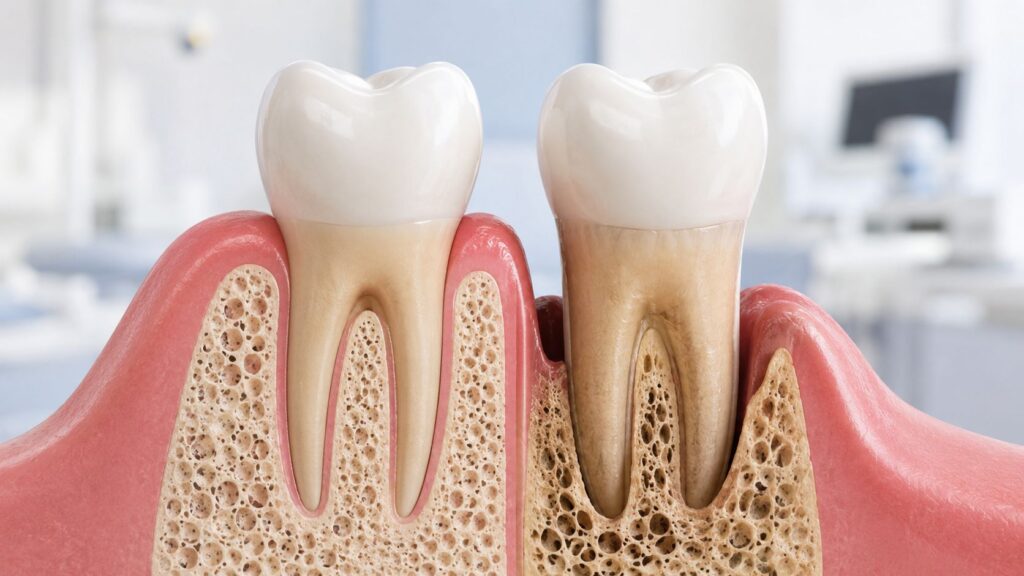
A tooth isn't held in place by the visible gum alone. Its root sits inside the alveolar bone, a specialized part of the jaw that surrounds and anchors the tooth. The periodontal ligament acts like a tiny suspension system between the root and bone, allowing the tooth to tolerate normal chewing while remaining stable.
Bone is living tissue. It continually undergoes remodeling, with old bone removed through resorption and new bone formed to maintain the structure. Trouble begins when resorption stays greater than rebuilding. The bone around a tooth becomes thinner or shorter, and the tooth loses some of the support that once kept it firm.
Small changes can carry structural meaning
A receding gumline may expose more of the tooth and make it look longer. A new gap can appear where teeth once touched. A bite may feel uneven because a tooth has shifted slightly or because its supporting tissues no longer respond to force in the same way.
Those changes aren't merely cosmetic. They can signal that the tissues supporting the tooth need professional assessment. Bone loss often develops without obvious signs, and some patients don't notice it until mobility, spacing, or bite changes become obvious.
A useful analogy is a fence post set in soil. If soil gradually washes away around the post, the post may still stand for a while. It becomes less stable, however, and pressure that once felt harmless can make it move.
Practical rule: A loose tooth isn't a normal part of aging. It deserves an examination, even when discomfort is minimal.
Periodontitis is one foundational cause. Tooth loss, injury, excessive bite forces in an inflamed mouth, certain health conditions, medication effects, and lifestyle factors can also influence the jawbone. The cause matters because treatment must address both the damaged foundation and the process that weakened it.
How Gum Disease Quietly Destroys Supporting Bone
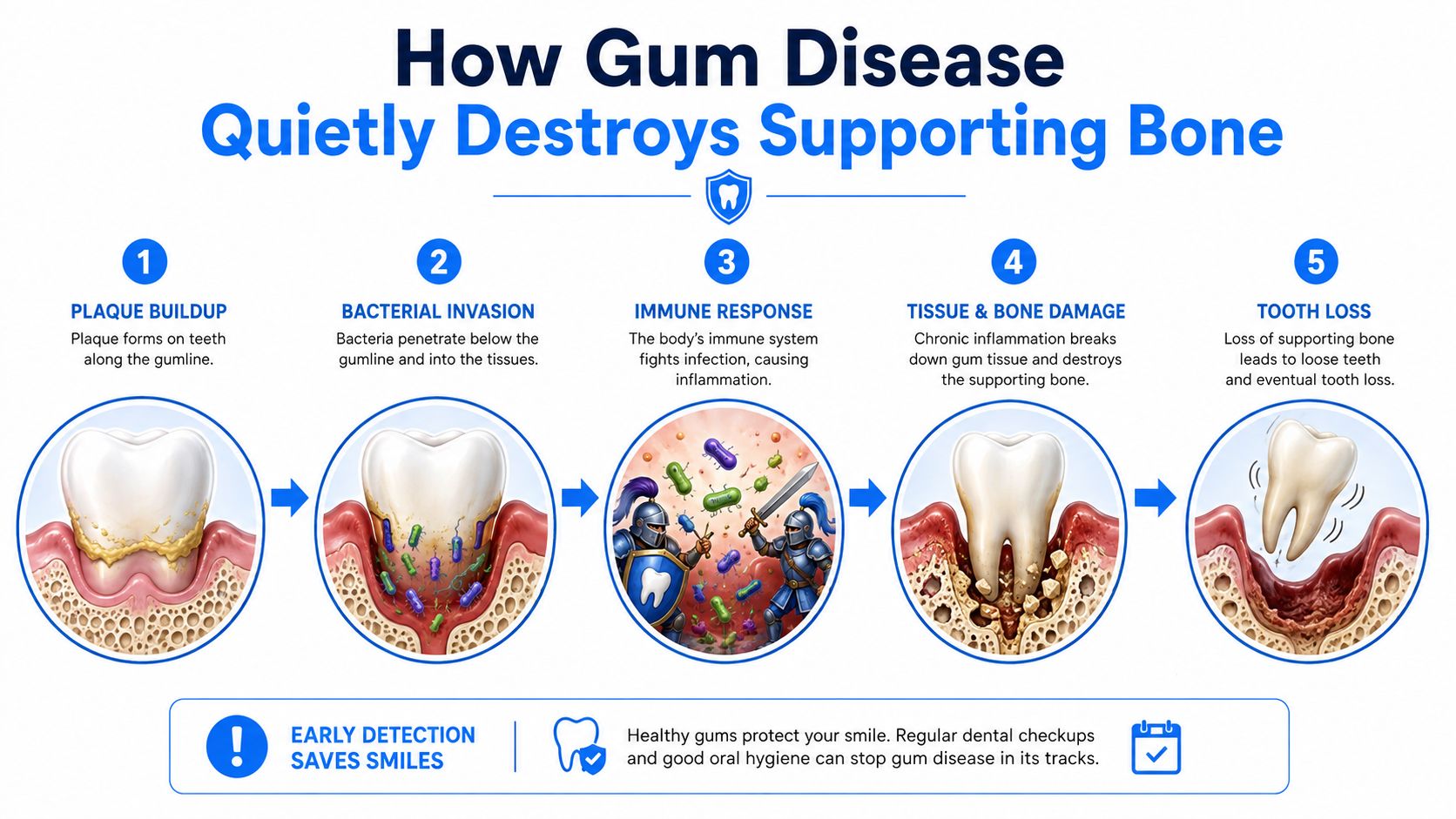
Periodontitis starts below the gumline, where plaque and bacteria can remain sheltered from ordinary brushing. The process is easier to understand as a chain of events rather than as a single sudden problem.
The inflammation-to-bone pathway
Bacterial plaque collects. Bacterial biofilm gathers around the gumline and may harden into deposits that are difficult to remove at home.
Bacteria move under the gums. Anaerobic organisms, including Porphyromonas gingivalis, can trigger both innate and adaptive immune activity in the tissues around the tooth.
The immune system responds. The body's defenses release inflammatory mediators, including TNF-α, IL-1, and PGE2. The immune response is intended to control infection, but persistent activation also injures the tissues surrounding the tooth.
Bone-removing cells become more active. Inflammation increases the RANKL/OPG ratio, encouraging osteoclast development from monocyte and macrophage precursors. Osteoclasts remove bone, and bone loss develops when resorption exceeds osteoblast-mediated formation. The inflammatory mechanism is described in this peer-reviewed explanation of periodontal bone destruction.
Support decreases. The periodontal ligament and alveolar bone break down, the gum pocket deepens, and the tooth becomes more difficult to clean and less firmly supported.
The National Center for Biotechnology Information overview of periodontitis describes the same two-part process in patient-friendly terms. Infection beneath the gumline starts the inflammation, and the body's response damages the ligament and bone that support the tooth.
Why pockets and symptoms matter
Healthy gum pockets are typically 1–3 mm deep. Pockets deeper than 4 mm may indicate periodontitis, while pockets deeper than 5 mm can't be cleaned effectively with routine home care, according to the Mayo Clinic's periodontitis diagnosis and treatment guidance.
The process may cause bleeding, bad breath, recession, or tenderness, but early bone loss can also be painless. Smoking, genetic susceptibility, and uncontrolled diabetes can raise concern and may affect how tissues respond to treatment. Without care, ongoing inflammation can increase tooth mobility and eventually contribute to tooth loss.
The disease's severity is also classified by the amount of root-supporting bone lost. The 2017 World Workshop and 2018 periodontal classification define Stage I as bone loss limited to the coronal third of the root, up to 15%, Stage II as more than 15% but less than 30%, Stage III as 30%–60%, and Stage IV as more than 60%. These diagnostic thresholds are summarized in this clinical discussion of periodontal bone loss.
Other Triggers Beyond Gum Disease
Gum disease is common, but it isn't the only explanation for a shrinking or weakened dental foundation. A patient can have more than one contributing factor, so the examination should consider the whole mouth, medical history, bite, and timing of tooth changes.
Tooth loss changes the jaw
After a tooth is removed, the bone no longer receives stimulation from that root and begins to shrink. A peer-reviewed review reports that approximately 30% of the alveolar ridge is lost after extraction, about two-thirds of hard and soft tissue resorption occurs during the first three months, and approximately 50% of alveolar bone width can be lost within 12 months. Those figures come from this review of tissue changes after tooth extraction.
This is why socket preservation and timely replacement may be discussed after a tooth extraction. Dental implants can restore chewing function, but the available bone must first be evaluated.
Trauma can create a different pathway. A cracked root, knocked-out tooth, or injury to the jaw may damage the ligament and surrounding bone. Healing may leave a localized defect, particularly when infection develops or the tooth can't be stabilized.
Medical, medication, and lifestyle influences
Osteoporosis, diabetes, and autoimmune disorders can affect the body's bone and inflammatory systems. Medications used for osteoporosis and some cancer therapies can also affect how bone remodels and heals. Patients should bring a complete medication list to a Scottsdale new patient exam, particularly before an extraction, graft, or implant consultation.
Teeth grinding adds mechanical stress. Excessive bite forces don't independently cause periodontal disease, but they can accelerate localized bone loss when inflammation is already present. Clinical signs may include a widened periodontal ligament space, thickened lamina dura, furcation involvement, root resorption, or localized vertical bone loss, as summarized in this overview of occlusal trauma.
| Cause | How It Erodes Bone | Typical Timeline |
|---|---|---|
| Tooth loss | Removes root stimulation and allows the empty ridge to shrink | Resorption begins quickly after extraction |
| Trauma | Injures the root, ligament, or surrounding bone and may create a localized defect | Depends on injury severity and healing |
| Periodontal inflammation | Drives resorption around teeth through an ongoing immune response | Often gradual and difficult to notice early |
| Systemic conditions | Can alter bone density, immune regulation, or healing capacity | Varies with health status and disease control |
| Medication effects | May change bone turnover or surgical healing | Depends on the medication and treatment context |
| Bruxism with inflammation | Adds force to already compromised supporting tissues | Can worsen localized damage over time |
The review of periodontal inflammation and bone coupling explains why mechanical stress deserves attention. Strong forces such as premature contact and bruxism may accelerate resorption when periodontal inflammation already exists.
Warning Signs and What Happens During a Dental Exam
Bone loss can hide behind an otherwise ordinary-looking smile. A patient may have no pain while the supporting bone is changing, which makes objective testing more useful than symptoms alone.
Signs worth reporting
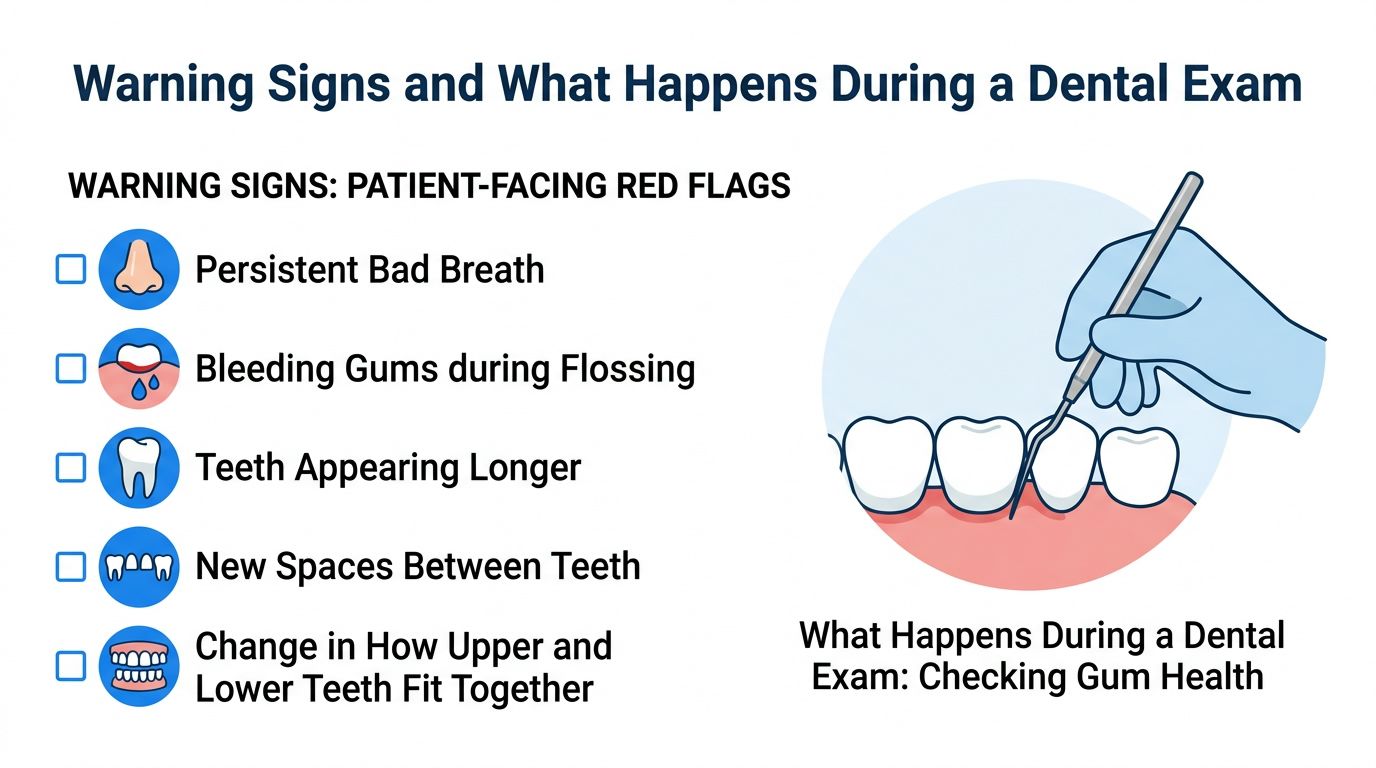
- Persistent bad breath: Ongoing odor or a bad taste may reflect bacteria in gum pockets.
- Bleeding during flossing: Bleeding often indicates inflamed gum tissue that needs assessment.
- Teeth appearing longer: Recession can expose more of the tooth and may accompany reduced support.
- New spaces: Gaps can develop as teeth shift or the surrounding tissues change.
- A different bite: A change in how upper and lower teeth meet may reflect movement, wear, or excessive force.
- Looseness: Mobility suggests that the tooth's supporting structures need prompt evaluation.
What the Scottsdale exam measures
The visit generally begins with a review of symptoms, medical history, medications, tobacco use, diabetes management, and any history of grinding or dental trauma. A visual inspection checks the gumline, tooth surfaces, recession, swelling, plaque, and signs of infection.
A periodontal probe then measures the space between each tooth and gum. The probe doesn't cut the tissue. Patients typically feel gentle pressure, and the recorded measurements help show where pockets are shallow, deeper, or bleeding.
Digital dental X-rays can reveal bone levels that aren't visible in a mirror. A CBCT scan may be considered when three-dimensional information is important for complex bone defects, surgical planning, or dental implants. The dentist may also test tooth mobility and examine the bite to identify excessive force.
Findings are recorded in a periodontal chart. Healthier areas may be monitored with routine cleaning and exams, while deeper pockets, bleeding, recession, mobility, or radiographic bone loss can prompt active periodontal treatment. The exact plan depends on the pattern and cause, not on one measurement alone.
Modern Treatment Options From Deep Cleaning to Implants
Treatment starts by controlling the process that is damaging the supporting tissues. The appropriate option depends on pocket depth, bleeding, infection, tooth stability, defect shape, remaining bone, overall health, and the patient's goals.
First steps for infected gum pockets
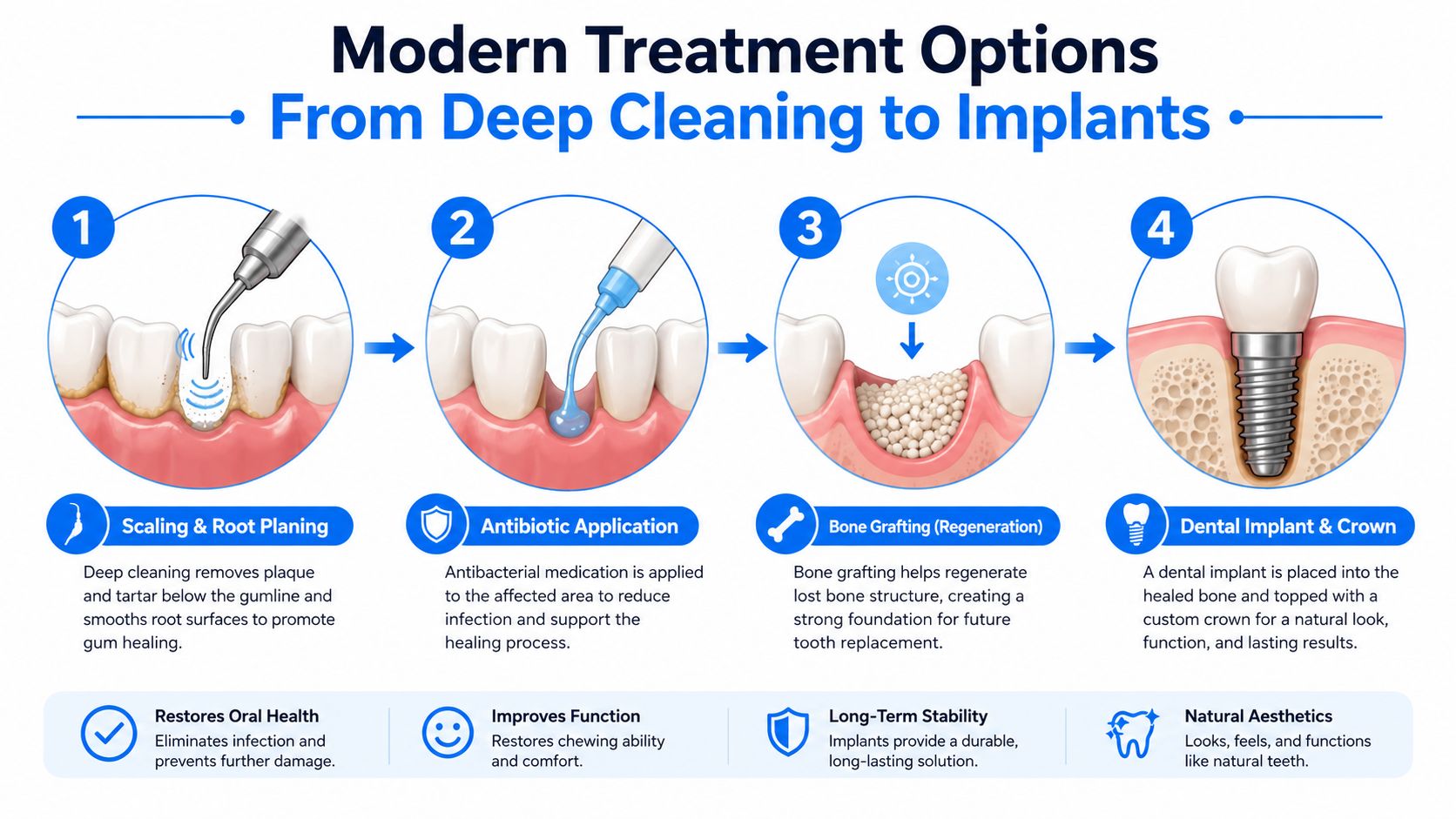
Scaling and root planing removes bacterial deposits from below the gumline and smooths contaminated root surfaces. This nonsurgical periodontal treatment gives the gums a cleaner surface against which they can heal. A reevaluation at four to six weeks allows the dental team to check pocket response, bleeding, plaque control, and tooth stability.
Some patients may benefit from adjunctive measures, such as localized antibiotics, laser-assisted disinfection, or host-modulation therapy. These approaches support infection control in selected situations, but they don't replace consistent home care or ongoing periodontal maintenance.
A patient seeking a detailed overview can review periodontal disease treatment options before discussing which approach fits the clinical findings.
Regenerating a damaged foundation
When bone loss creates a suitable defect, regenerative treatment may help rebuild support. Bone grafting can use autograft, allograft, or synthetic materials. A guided tissue regeneration membrane can separate healing bone from faster-growing soft tissue, creating space for the supporting structures to recover.
If a tooth must be removed, socket preservation may help limit the collapse of the extraction site. The dentist evaluates the socket, infection, tissue condition, and future replacement plan before recommending it.
Replacing teeth after support is lost
Dental implants replace the missing root and support a crown, bridge, or full-arch restoration. If the jaw doesn't provide enough foundation, bone augmentation may be needed first. A sinus lift may be considered for some upper molar areas, while All-on-Four solutions can provide full-arch rehabilitation for patients who are edentulous or nearly edentulous.
Recovery varies by procedure and patient. A Scottsdale implant consultation should address imaging, sequencing, healing, temporary teeth, final restoration, maintenance, and what happens if active gum disease remains.
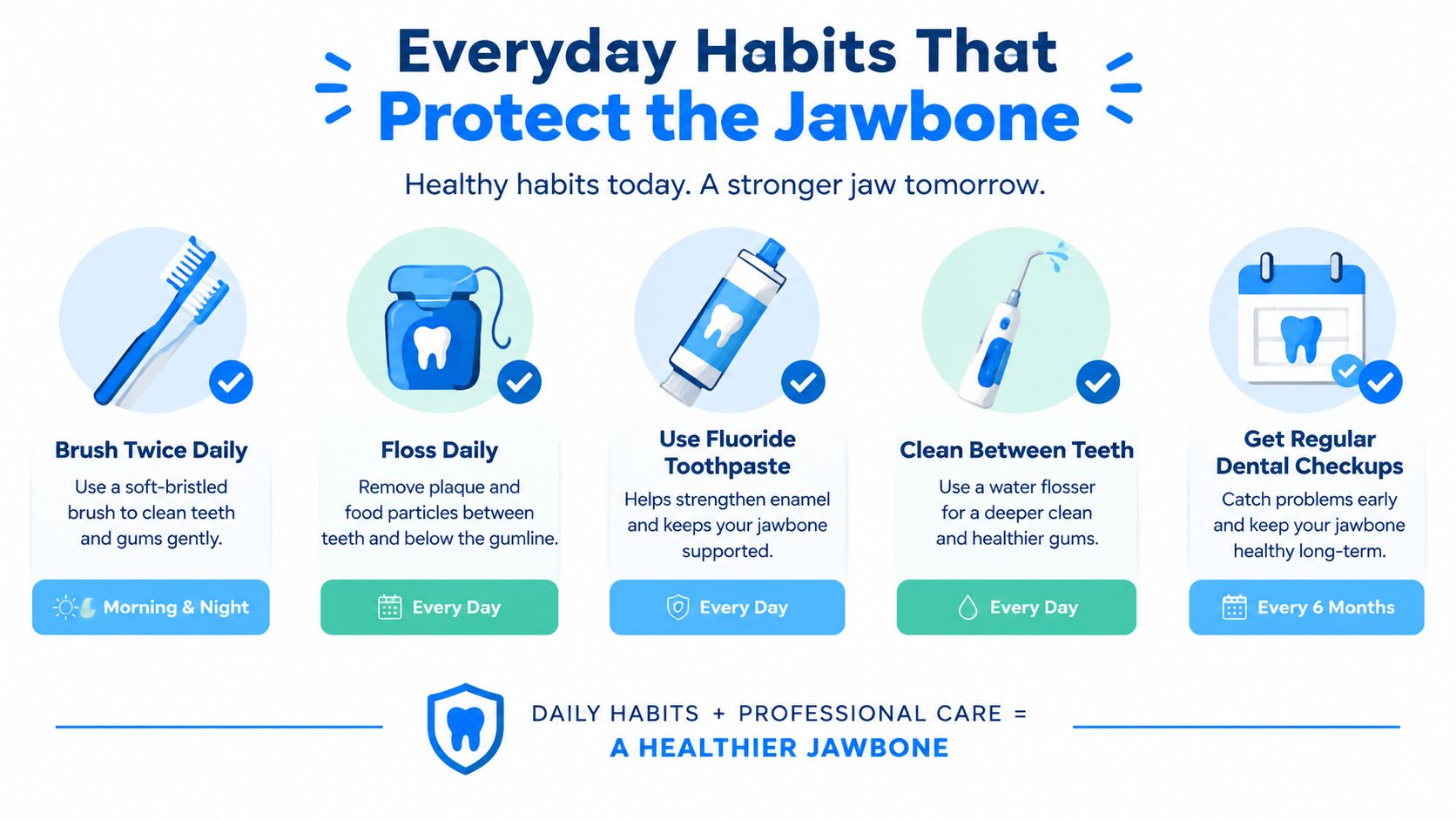
Everyday Habits That Protect the Jawbone
Prevention depends on reducing bacterial burden, protecting the gumline from excessive force, and keeping the body prepared to heal. Daily habits can't rebuild every lost area, but they can help preserve the support that remains.
A practical home checklist
- Brush consistently: Brush twice daily with a soft-bristled or electric brush and fluoride toothpaste. Gentle pressure along the gumline is more useful than aggressive scrubbing.
- Clean between teeth: Floss, interdental brushes, or a water flosser can reach spaces a toothbrush misses.
- Stop tobacco exposure: Tobacco can impair gum blood flow and slow healing. Reducing or quitting supports periodontal care.
- Manage blood sugar: Patients with diabetes should work with their healthcare team to maintain appropriate blood sugar control because uncontrolled diabetes can worsen gum disease.
- Address grinding: A custom occlusal guard can reduce damaging nighttime forces when bruxism is present.
- Support nutrition: Calcium, vitamin D, and vitamin C support bone and connective-tissue health. Patients considering supplements can choose a quality calcium supplement, while discussing individual needs with a healthcare professional.
Alcohol moderation and a balanced diet also support general health and healing. Supplements shouldn't substitute for periodontal treatment, medical care, or a complete diet.
The professional side matters just as much. Routine cleanings and exams help identify bleeding, pocket changes, recession, and early mobility. Patients with higher periodontal risk may need maintenance visits every three to four months, while others may follow a different schedule based on their findings.
Missing teeth shouldn't be left unaddressed indefinitely. A replacement discussion can include a bridge, denture, or dental implant, depending on the bone, neighboring teeth, health, and goals. More guidance is available in this explanation of how to maintain healthy gums.
Taking the Next Step With a Scottsdale Dentist
The most useful next step is a focused consultation, not a guess based on a mirror or a single symptom. A Scottsdale dental visit can determine whether the concern involves periodontitis, an old extraction site, trauma, bite pressure, a medical factor, or several causes at once.
Patients can make the first appointment more productive by bringing:
- A current medication list: Include prescriptions, injections, supplements, and therapies for osteoporosis or cancer.
- Recent dental records: Existing X-rays or implant records may help show whether bone levels have changed.
- A symptom list: Note bleeding, odor, recession, looseness, bite changes, sensitivity, or grinding.
- Treatment goals: Some patients want to stop further bone loss, others need to replace missing teeth, and some want to know whether dental implants are feasible.
The initial flow may include a medical-history review, periodontal charting, visual examination, digital imaging of the jawbone, mobility testing, and a conversation about priorities. If an emergency tooth problem is causing swelling, severe pain, trauma, or sudden mobility, the patient should ask whether an emergency dentist appointment is appropriate rather than waiting for a routine cleaning.
A coordinated Scottsdale practice can discuss periodontal evaluation and therapy, deep cleaning, tooth extraction, bone grafting, bridges, single-tooth implants, full-arch implants, or All-on-Four treatment according to the diagnosis. Patients who first search for a dentist near me, dentist in Scottsdale, AZ, dental implants near me, or a cosmetic dentist near me may need more than one service, so an integrated plan can reduce unnecessary back-and-forth.
Administrative questions belong in the conversation, too. The office can explain appointment availability, insurance coordination, billing support, and financing options for larger procedures. Patients should also ask about recovery, maintenance, alternatives, and what can happen if treatment is delayed.
A bone-health assessment doesn't commit a patient to a procedure. It gives the patient clear information about the cause, the current level of support, and the choices available.
Eric Wiitala DDS provides periodontal evaluations, preventive and restorative dental care, tooth replacement with dental implants, All-on-Four solutions, and custom bite protection for patients concerned about bone loss around teeth. Visit Eric Wiitala DDS to schedule a Scottsdale consultation, discuss symptoms, and request a personalized assessment of gum and jawbone health.